Budget-Friendly Meal Planning: Eat Well for Less Each Week
A simple, repeatable meal-planning system that saves money, reduces food waste, and takes the daily stress out of "what’s for dinner" — no complicated recipes required.
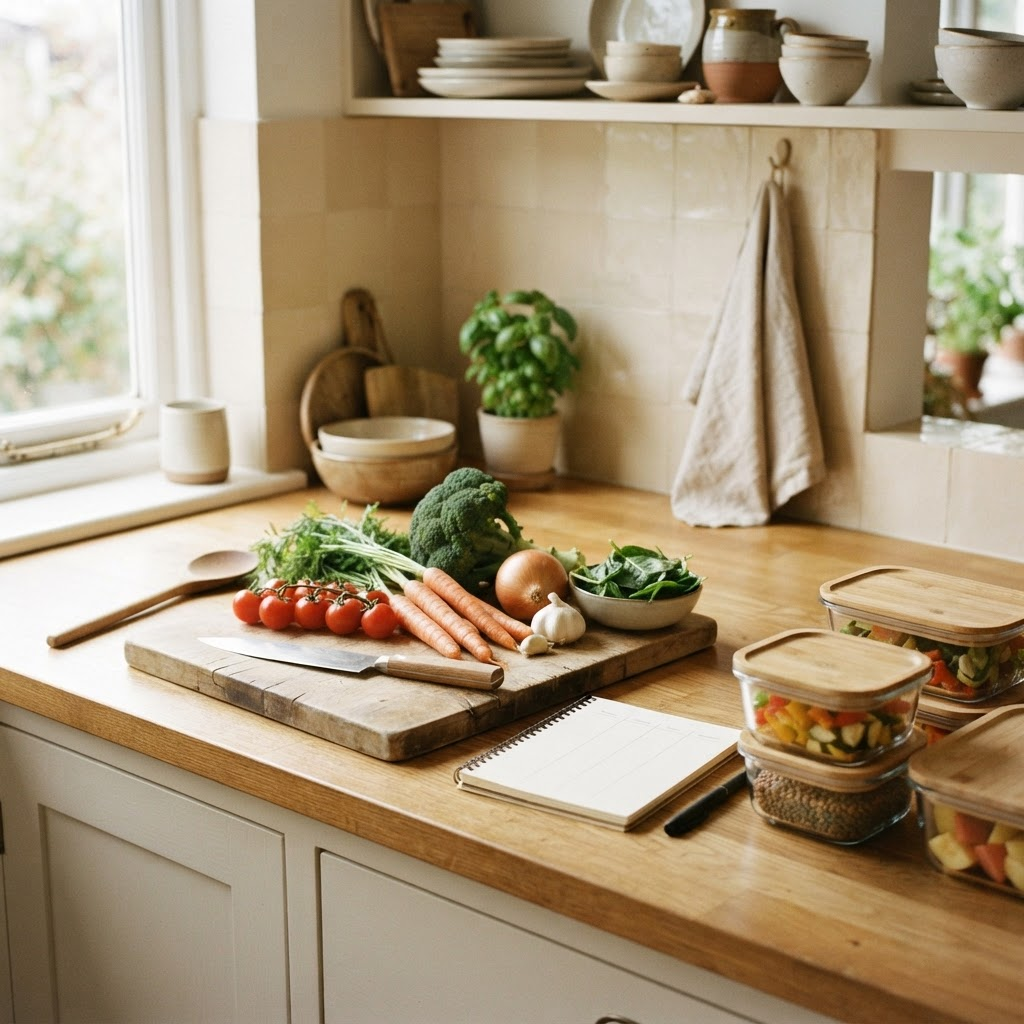
Meal planning has a reputation for being complicated, but at its heart it is simply deciding what you will eat before you are hungry and standing in front of an open refrigerator. Done well, it saves money, cuts waste, and removes the daily mental load of figuring out dinner. Here is a straightforward system that works.
Step 1: Take stock before you shop
Before you plan a single meal, look at what you already own. Check the freezer, the pantry, and the crisper drawer. Building meals around ingredients you already have is the fastest way to save money and stop throwing food away. Jot down anything that needs to be used up soon and plan a meal around it first.
Step 2: Keep a short rotation of go-to meals
You do not need a different recipe every night. Most households happily eat the same eight to ten dinners on rotation. Write down the meals your household actually enjoys and finds easy to make, and plan from that list. It removes decision fatigue and makes your shopping predictable.
- A sheet-pan chicken with roasted vegetables
- A big pot of soup or chili that stretches across several days
- A simple pasta with a vegetable and a protein
- Breakfast for dinner: eggs, toast, and fruit
Step 3: Plan around sales and seasons
Produce that is in season is usually cheaper, fresher, and tastier. Glance at the weekly store flyer and let a good sale shape a meal or two. Buying a family pack of chicken or ground beef and freezing half is often far cheaper per pound than smaller packages.
Step 4: Write a list and stick to it
Once your meals are planned, turn them into a single shopping list organized by section of the store — produce, dairy, pantry, freezer. Shopping with a list, ideally after you have eaten, is one of the most reliable ways to avoid impulse purchases that quietly inflate the bill.
Step 5: Cook once, eat twice
Leftovers are your friend, not a compromise. Deliberately cook extra so tonight’s roast chicken becomes tomorrow’s sandwiches or soup. Doubling a recipe and freezing half gives you a homemade "ready meal" for a busy evening — far cheaper and healthier than takeout.
A few money-saving habits that add up
- Buy dried beans, rice, oats, and frozen vegetables — inexpensive, nutritious, and long-lasting.
- Store-brand staples are usually identical in quality to name brands.
- Keep a "use it up" shelf in the fridge so nothing gets forgotten.
- Repurpose vegetable scraps and bones into a simple homemade stock.
Keep it flexible
A meal plan is a helpful guide, not a rigid contract. Life happens, and some nights you will swap the plan or order in — that is perfectly fine. The goal is to remove stress and waste from the majority of your week, not to be perfect. Start with planning just three or four dinners a week and grow from there.